
Finding the best sales automation tools can feel like searching for a needle in a haystack. There are hundreds of options out there. Some are genuinely powerful. Others are just expensive disappointments dressed up in slick marketing. After months of hands-on testing, the best sales automation tools have been narrowed down to just eight. These tools actually deliver results.
Sales has changed dramatically. The best sales automation tools today don’t just send emails. They research prospects, score leads, enrich data and build entire outbound workflows. Whether you’re a solo founder or running a large enterprise team, the right tool can transform your pipeline. This list covers the best sales automation tools across every budget and team size. Let’s dive straight in.
What Is A Sales Automation Tool?
A sales automation tool helps you automate the repetitive parts of your sales process. Think lead generation, contact enrichment and personalized outreach. Instead of doing everything manually, the tool handles the grunt work. You focus on closing deals. It works for both inbound and outbound sales motions. The best platforms today even use AI to research prospects and build entire workflows automatically.
Modern tools go well beyond simple email sequences. They score leads based on real behavior signals. They enrich contact data from multiple providers at once. Some can even flag which accounts might churn before it happens. Whether you’re targeting small businesses or enterprise accounts, sales automation tools help you work smarter and scale faster without burning out your entire team.
How I Evaluated The Best Sales Automation Tools
Not every tool does the same thing. Some laser-focus on cold outbound email. Others handle inbound lead scoring or account monitoring. So evaluating them fairly meant applying different criteria to each. The core areas examined included AI workflows, outbound and inbound capabilities, database size, lead enrichment quality, CRM integrations and pricing accessibility. Each tool was tested hands-on to deliver an honest assessment.
Pricing transparency also played a big role in the evaluation. Enterprise tools requiring custom quotes got noted separately from platforms with clear and affordable tiers. The goal was to find the best options for every type of sales team — from solo founders to large enterprise organizations. Each recommendation reflects real testing experience across multiple use cases and sales motions.
8 Best Sales Automation Tools In 2026 (Free + Paid)
After months of hands-on testing, eight tools rose above the rest. Each one solves a different problem in the sales process. Some excel at data enrichment. Others shine at outbound sequencing or AI agent building. Together they cover every critical stage of the sales funnel. Whether you need a free starting point or a robust enterprise solution, this list has something for you.
Here’s a quick snapshot of all eight tools at a glance:
| Tool | Best For | Starting Price |
| Gumloop | AI sales agents | $37/month |
| Clay | Lead enrichment | $149/month |
| Paradigm AI | Spreadsheet research | $20/month |
| Apollo | All-in-one sales | $49/month |
| Outreach | Enterprise engagement | Custom |
| ZoomInfo | Contact databases | Custom |
| Nooks | Outbound dialing | Custom |
| Lemlist | LinkedIn outreach | $79/month |
1. Gumloop

Gumloop is an AI automation platform built for sales teams that want full control over their workflows. It connects to any tool through built-in integrations or MCP servers. From there you can build AI agents that prospect, enrich data, score leads and send personalized outreach — all without touching a thing manually. Teams at Webflow, Shopify and Instacart already rely on it across their organizations daily.
What makes Gumloop truly stand out is its flexibility across the entire sales funnel. It handles both inbound and outbound automation from one place. You can build a workflow to identify which PLG users could become enterprise customers. Running a cold outreach campaign with AI-crafted personalized emails is just as easy. Premium LLM models like Claude and GPT come included without needing separate API keys at all.
Gumloop Pricing
Gumloop keeps its pricing simple and accessible for all team sizes. The free plan gives you 2,000 credits per month to get started at zero cost. Plans scale up based on workflow volume and the number of seats your team needs. Even the entry-level Solo plan at $37/month unlocks unlimited triggers and webhooks. It’s one of the most affordable AI automation platforms available right now.
Here’s the full pricing breakdown for Gumloop:
| Plan | Price | Credits/Month | Seats | Key Features |
| Free | $0 | 2,000 | 1 | Gummie Agent, unlimited nodes and flows, forum support |
| Solo | $37/month | 10,000+ | 1 | Unlimited triggers, webhooks, email support |
| Team | $244/month | 60,000+ | 10 | Dedicated Slack support, team analytics |
| Enterprise | Custom | Custom | Custom | RBAC, SCIM/SAML, audit logs, virtual private cloud |
Gumloop Reviews
Gumloop holds impressive ratings for a relatively new platform. It scores a perfect 5 out of 5 on Product Hunt based on user reviews. On G2 it holds a 4.8 out of 5 rating. Users consistently highlight the flexibility of the platform and how fast they can build complex automations. The Gummie AI assistant gets praised specifically for helping non-technical users get workflows up and running quickly.
| Platform | Rating | Reviews |
| Product Hunt | 5/5 ⭐ | 9+ reviews |
| G2 | 4.8/5 ⭐ | 6+ reviews |
The review count is still small compared to established tools like Apollo or ZoomInfo. However the quality of feedback is overwhelmingly positive across every platform. Early users consistently describe Gumloop as a versatile and powerful AI automation platform that can genuinely replace multiple sales tools at once. As adoption grows it seems very likely that ratings will stay strong and the review count will climb steadily.
Learn more:8 Best Brand Mention Tools I’m Using in 2026 (free + paid)
2. Clay
Clay built its reputation on data quality and it shows. The platform pulls from over 150 data providers through a process called waterfall enrichment. Instead of relying on one source for contact information, Clay runs through multiple providers in sequence until it finds the best match. This means higher enrichment coverage across emails, phone numbers and firmographic data than any single-source provider could offer.
Clay also has an AI research agent called Claygent. It browses websites, navigates forms and pulls custom data points for every prospect on your list. If you need a company’s tech stack or a recent funding announcement, Claygent handles that research for you automatically. Major GTM teams at OpenAI, Anthropic, Rippling and Intercom all use Clay. That level of adoption speaks volumes.
Clay Pricing
Clay’s pricing starts with a free plan that gives you up to 100 people and company searches per month. From there plans scale up significantly in both searches and features. The Starter plan at $149/month is the most common entry point for active sales teams. It includes phone number enrichments and the ability to bring your own API keys for additional data providers.
| Plan | Price | Searches/Month | Key Features |
| Free | $0 | 100 | Claygent AI, 100+ integration providers |
| Starter | $149/month | 5,000 | Phone enrichments, scheduling, BYOK |
| Explorer | $349/month | 25,000 | Webhooks, email sequencing, web intent signals |
| Pro | $800/month | 50,000 | CRM integrations, advanced audience features |
| Enterprise | Custom | Unlimited | Dedicated Slack, SSO, data engineering |
Clay Reviews
Clay has earned strong reviews from sales and GTM professionals around the world. On G2 it holds a 4.7 out of 5 rating from over 185 user reviews. Product Hunt gives it a 4.8 out of 5 from nearly 40 reviews. Users consistently praise the depth of the waterfall enrichment and the time it saves on manual prospect research. The Claygent AI agent gets particularly strong feedback from power users.
The most common complaint across reviews relates to pricing. Many users feel the $149/month starting price is steep for smaller teams or solo operators. A few others mention the learning curve that comes with building complex multi-source workflows in the platform. However for teams where data quality directly drives pipeline growth, the investment consistently pays off according to the overwhelming majority of reviewers.
3. Paradigm AI

Paradigm AI blends the familiarity of a spreadsheet with the power of an AI agent. Every cell in the platform acts as its own mini AI agent. It can fetch data from the web, enrich contact information and follow custom prompts you define per column. If you already live in Google Sheets or Excel, picking up Paradigm AI takes almost no time at all.
What makes Paradigm stand out from tools like Clay is pure accessibility. There’s no visual workflow builder to learn and no complex node setup to configure. You just open a spreadsheet, define what each column should do and the AI does the rest. It’s especially powerful for sourcing companies, finding contacts and doing lead research — all inside an interface your whole team already knows.
Paradigm Pricing
Paradigm AI offers one of the most affordable pricing structures on this list. The free Starter plan lets you test the platform with basic AI chat and CSV imports at no cost. The Pro plan at $20/month per seat unlocks full email access, webhooks and data import/export. For budget-conscious teams doing serious prospect research, it’s genuinely hard to find better value anywhere else in this space.
| Plan | Price | Key Features |
| Starter | $0 | Basic AI chat, limited email sends (100/month), CSV/XLSX import |
| Pro | $20/month/seat | Full email access, $20 on-demand usage, webhooks, analytics |
| Business | $500/month | Up to 50 seats, premium AI models, Slack Connect, onboarding call |
| Enterprise | Custom | SAML/SSO, dedicated account team, SOC 2 Type 2 compliance |
4. Apollo

Apollo is one of the most recognized names in B2B sales. The platform sits on top of a database of over 210 million contacts and 30 million companies. That’s a massive head start when it comes to finding the right people to reach out to. Beyond prospecting, Apollo handles email sequencing, lead scoring, website visitor identification and deal tracking — all from a single unified platform.
One of Apollo’s newer features is website visitor identification. You can see which companies land on your site and launch outbound actions directly from that data. It essentially replaces tools like Clearbit that used to handle this separately. Apollo also includes waterfall enrichment and an AI research layer for better data coverage. For smaller and mid-sized teams that don’t want five different subscriptions, Apollo is genuinely compelling.
Apollo Pricing
Apollo offers a free plan that’s generous enough to actually test the platform before committing. Paid plans start at $49/month per user billed annually on the Basic tier. This gives you 30,000 credits per year, AI writing and basic workflow automation. The Professional plan at $79/month adds unlimited sequences, advanced filters and up to 50 automated workflows. It’s competitively priced compared to most sales platforms.
| Plan | Price (Annual) | Credits/Year | Key Features |
| Free | $0 | 900/user | Basic filters, 2 sequences, AI writing (5K words) |
| Basic | $49/month/user | 30,000 | Buying intent (1 topic), 5 automated workflows |
| Professional | $79/month/user | 48,000 | Unlimited sequences, 6 intent topics, unlimited mailboxes |
| Organization | $119/month/user | 72,000 | AI scores, call recordings, 500 workflows (min. 3 users) |
Apollo Reviews
Apollo has one of the largest review bases of any tool on this list. On G2 it holds a 4.7 out of 5 rating from over 9,400 user reviews. Capterra gives it 4.5 out of 5 from nearly 400 reviews. Users consistently praise its all-in-one approach and the depth of the contact database. For sales teams that want one platform to handle prospecting, outreach and deal tracking, Apollo consistently delivers.
The most frequently cited concerns in reviews include data accuracy varying by region and the UI feeling overwhelming at first. A few reviewers note that some individual features aren’t as deep as dedicated tools — the enrichment layer, for example, doesn’t match Clay’s 150+ provider waterfall. Still for teams that value consolidation over specialization, Apollo remains one of the highest-rated options available in 2026.
5. Outreach

Outreach has been in the sales engagement space for years but it’s evolved significantly. Today it positions itself as an AI agent platform for revenue teams. It covers the entire sales cycle from prospecting and sequencing to deal management and forecasting. Companies like Zoom, Siemens, Okta and Amplitude trust it with their entire revenue operation. That level of enterprise adoption says a lot about its reliability and depth.
The standout feature that separates Outreach from other tools on this list is its forecasting capability. It delivers automated forecast rollups, AI projections on quarterly finish and a scenario planner where you can model bull case, bear case and most likely outcomes. Customers report forecast accuracy within 5%. For revenue leaders who live and die by their pipeline reviews, that level of precision is genuinely hard to find elsewhere.
Outreach Pricing
Outreach uses a modular pricing model where each product is sold separately. There’s no public pricing page which makes budgeting tricky upfront. You’ll need to request a custom quote for each module you want to use. The six available modules are Engage, Call, Meet, Deal, Forecast and Amplify. Depending on how many you need, costs can add up quickly for larger enterprise deployments.
| Module | What It Covers |
| Engage | Sequences, smart account plans, automations, CRM sync |
| Call | Integrated dialer, live monitoring, AI call summaries |
| Meet | Call recording, AI meeting assist, automated summaries |
| Deal | AI deal assist, deal health scores, activity history |
| Forecast | Pipeline dashboard, AI projection, scenario planning |
| Amplify | AI agents for prospecting, enrichment and personalization |
Outreach Reviews
Outreach holds solid ratings across major review platforms. On G2 it scores 4.3 out of 5 from over 3,500 user reviews. Capterra gives it 4.4 out of 5 from more than 300 reviews. Most positive feedback focuses on the depth of the engagement features and the quality of the forecasting tools. Enterprise sales teams consistently point to Outreach as one of the most complete platforms available today.
The most common criticism in reviews centers on pricing opacity and platform complexity. Many users wish the modular pricing structure were more transparent and easier to budget for. Some also feel the platform is overkill for smaller teams with simpler sales motions. However for large revenue organizations managing complex pipelines and needing deep forecasting visibility, Outreach consistently earns high praise and strong loyalty.
6. ZoomInfo
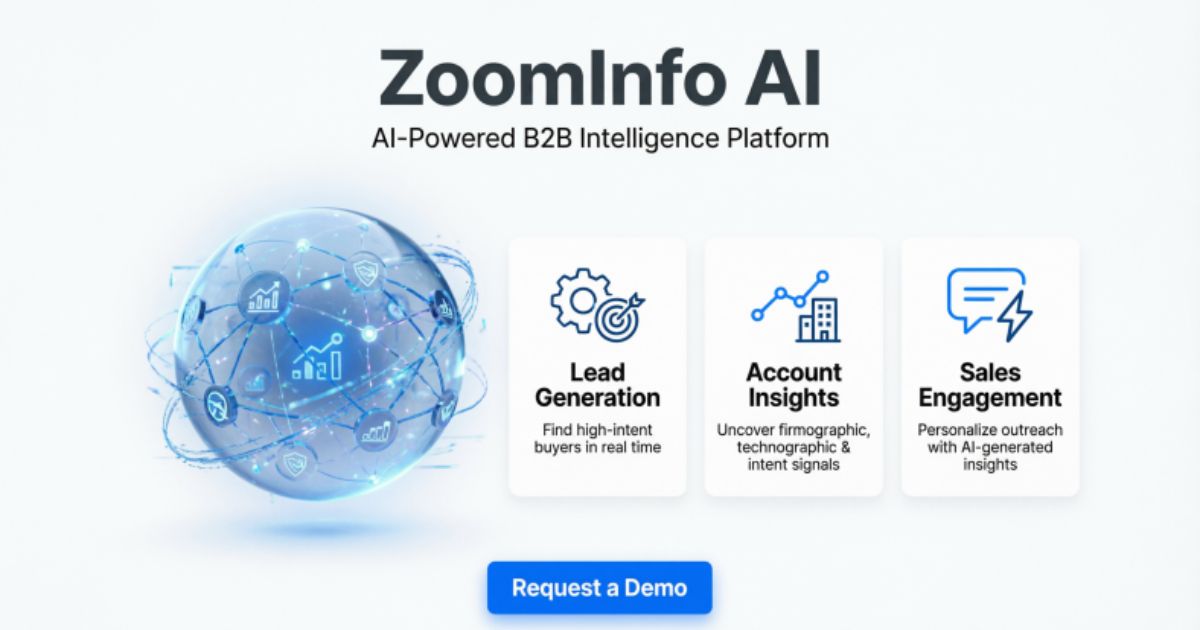
ZoomInfo is one of the most established B2B data platforms on the market. It gives you access to over 300 million contact profiles with verified emails, direct dial numbers and mobile numbers. If your sales team makes a lot of calls to reach decision makers, ZoomInfo’s contact database is one of the most comprehensive sources available. Over 35,000 companies including Adobe, Microsoft and Snowflake already rely on it.
Beyond the database, ZoomInfo offers buying intent signals, website visitor tracking and an AI copilot that helps prioritize which accounts to pursue. It integrates deeply with Salesforce, HubSpot, Outreach and Salesloft to keep your workflows running smoothly. It’s more than a data provider — it’s a full GTM platform with modules for sales engagement, conversation intelligence, digital advertising and workflow automation built right in.
ZoomInfo Pricing
ZoomInfo does not publish pricing publicly. Every module requires a custom quote directly from their sales team. This makes upfront budgeting difficult, especially for smaller organizations comparing options. Contracts can get expensive quickly depending on the number of seats and modules you need. If you’re a startup or smaller team, the pricing and complexity of ZoomInfo might push you toward a more lightweight alternative like Apollo or Clay.
| Module | What It Covers |
| Sales | Contact data, buying intent signals, engagement apps and integrations |
| Marketing | Essential contact data, digital advertising, website chat, form management |
| Talent | Advanced candidate search, contact data, sourcing intelligence |
ZoomInfo Reviews
ZoomInfo has a large and well-established review presence across major platforms. On G2 it holds a 4.5 out of 5 rating from over 9,000 user reviews. Capterra gives it 4.1 out of 5 from more than 300 reviews. Users frequently highlight the scale and accuracy of the contact database as the platform’s biggest strength. The buying intent signals also get strong praise from enterprise sales teams consistently.
The most repeated criticism across reviews is pricing. Many users feel the cost is not justified for smaller teams or companies with limited budgets. Some also report that data accuracy can vary by region, particularly outside of North America. For mid-market to enterprise teams with the budget to match, however, ZoomInfo consistently delivers the data depth and integration quality that serious sales organizations require.
7. Nooks

Nooks is purpose-built for outbound sales teams that rely heavily on phone calls. The platform’s core value centers on creating an AI-native workspace where human reps and AI agents collaborate together. The parallel dialer is the standout feature — it lets reps dial multiple numbers simultaneously while AI handles answer detection. That means reps only connect when a real person actually picks up the phone.
Nooks also includes an AI coaching module with roleplay bots, call scoring and live battlecards that surface during calls based on keyword detection. For sales leaders managing larger remote teams, the virtual salesfloor feature recreates the energy of an in-person bullpen online. Companies like HubSpot, Deel, Workato and ZoomInfo already use it. If your team makes high volumes of cold calls every day, Nooks is built for exactly that.
Nooks Pricing
Like Outreach and ZoomInfo, Nooks does not publicly list its pricing. You’ll need to request a demo to get a quote. The platform uses a modular structure with five separate product packages. Given its enterprise focus and the breadth of features it packs in, it’s safe to assume pricing reflects that level of sophistication. Smaller teams or solo operators will likely find better value elsewhere on this list.
| Module | What It Covers |
| AI Dialer | Parallel dialing, spam protection, voicemail drops, virtual salesfloor |
| AI Sequencing | Multi-channel sequences across calls, email, SMS and social |
| Signals & Intelligence | 100+ buying signals, AI account research, dynamic lists |
| AI Coaching | Roleplay bots, call library, live battlecards, call scoring |
| Contact Data Enrichment | Number verification, waterfall enrichment, mobile enrichment |
Nooks Reviews
Nooks has earned impressive reviews for a specialized outbound dialing platform. On G2 it holds a 4.8 out of 5 rating from over 1,100 user reviews. That’s one of the highest ratings on this entire list. Reviewers consistently praise the parallel dialer for dramatically increasing the number of live conversations per rep each day. The virtual salesfloor also gets strong mentions from remote sales teams specifically.
The main downsides mentioned in reviews relate to price opacity and the steep learning curve involved in setting up all five modules. Some reviewers also note that if your team doesn’t do heavy phone outreach, a lot of the core value doesn’t apply. For high-volume cold calling teams however, Nooks consistently receives glowing feedback and is described as a genuine game-changer for outbound productivity.
8. Lemlist
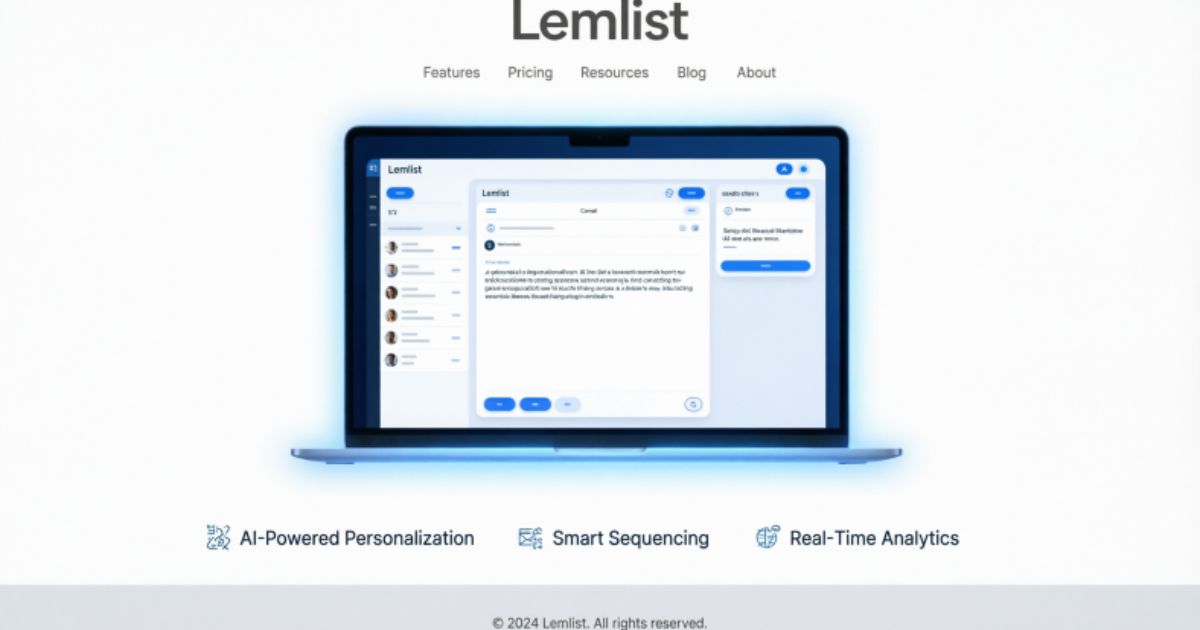
Lemlist started as a LinkedIn automation tool and it still does that better than almost anyone. The platform automatically sends connection requests, follow-up messages and profile visits on LinkedIn — all running on autopilot. It’s grown significantly since then and now includes a database of over 600 million leads with waterfall enrichment for verified emails and phone numbers across multiple data providers simultaneously.
Every Lemlist account includes free access to lemwarm, their email deliverability booster. If you’ve ever had cold emails land in spam, you know exactly how valuable that is. The platform handles multichannel sequences combining email, LinkedIn, WhatsApp and phone calls in one workflow. About 20,000 sales teams use Lemlist today. ElevenLabs used it to scale outbound pipeline from 5% to 30%.
Lemlist Pricing
Lemlist offers two main paid tiers plus a 14-day free trial so you can test before committing. The Email Pro plan starts at $79/month per user and includes AI personalization, access to the 600M+ lead database and the lemwarm deliverability booster. The Multichannel Expert plan at $109/month adds LinkedIn automation, a built-in dialer and a unified multichannel inbox. Both plans are priced per user so costs scale with your team.
| Plan | Price | Key Features |
| Email Pro | $79/month/user | 3 email senders, 200 enrichment credits, 600M+ leads, AI personalization, lemwarm |
| Multichannel Expert | $109/month/user | Everything in Email Pro + LinkedIn automation, WhatsApp add-on, built-in dialer |
| Enterprise | Custom | SSO, dedicated account manager, 1:1 onboarding, priority support (5+ users) |
Lemlist Reviews
Lemlist has strong and consistent ratings from a large community of users. On G2 it holds a 4.6 out of 5 rating from over 1,265 user reviews. Capterra matches that with a 4.6 out of 5 from more than 386 reviews. Users particularly praise the LinkedIn automation features and the lemwarm deliverability tool. For outbound-focused sales reps and SDR teams, it earns consistently high marks across platforms.
The most common complaints relate to per-user pricing adding up for larger teams and LinkedIn automation features being subject to LinkedIn’s ever-changing policies. A few reviewers also mention that the built-in calling feature isn’t as robust as dedicated dialers like Nooks. Overall though, for smaller teams and agencies needing a solid all-in-one outreach tool, Lemlist earns its strong reputation consistently across every review platform.
How To Be Successful With Sales Automation Tools
Before you sign up for any tool on this list, you need a process that already works manually. You can’t automate what you can’t clearly explain. If you couldn’t walk a new hire through your exact sales process step by step, no tool will fix that for you. Know your ideal customer, your outreach sequence, how you qualify leads and what moves deals through your pipeline first.
Once your foundation is solid, sales automation tools become genuine force multipliers. Use AI to handle the repetitive work — prospect research, lead scoring, enrichment and follow-ups. That frees your team to focus on the creative, human parts of selling that no tool can replace. The best sales teams use automation to give every rep the leverage to do the work of three people. That’s the real goal.
FAQ’S
What are the best sales automation tools in 2026?
The best sales automation tools include Gumloop, Clay, Apollo, ZoomInfo and Lemlist. Each one automates different parts of your sales process effectively.
Which best sales automation tools work for small teams?
Apollo, Lemlist and Paradigm AI are perfect for small teams. They’re affordable, easy to set up and deliver powerful results without enterprise-level complexity.
Do the best sales automation tools replace human salespeople?
No. The best sales automation tools handle repetitive tasks like research and follow-ups. Your team still builds relationships and closes the deals themselves.
How much do the best sales automation tools cost?
Prices vary widely. Some best sales automation tools like Paradigm AI start at just $20 monthly. Enterprise options like ZoomInfo and Outreach require custom quotes.
Can the best sales automation tools improve email deliverability?
Absolutely. Tools like Lemlist include built-in email warm-up features. The best sales automation tools help your emails land in inboxes not spam folders.
Conclusion
Choosing the best sales automation tools doesn’t have to be overwhelming. This list covers every budget and team size. The best sales automation tools save you time, improve data quality and help you close more deals. Start with a tool that matches your current sales process. Then scale from there.
The best sales automation tools work hardest when you already know your process. Don’t expect any tool to fix a broken strategy. Pick wisely, set things up properly and let automation do the heavy lifting. The best sales automation tools give your team real leverage. Use that advantage well.